Skylight Leaks Before Los Angeles Rain: Glass, Flashing, or Roof?
A stain around a skylight does not automatically mean the window needs replacement. Start with the surrounding roof system before the first sustained rain.
By Smart Roofing, Inc. · Updated
Quick answer
What Los Angeles homeowners should know
A skylight leak can come from the glazing or frame, the flashing around the opening, the nearby roof covering, or condensation inside the home. Before Los Angeles rain, document when moisture appears and have a qualified roofer inspect the skylight curb, flashing, uphill drainage, and surrounding waterproofing. A bead of sealant is not a substitute for diagnosing the entry path.
Key takeaways
- Water beside a skylight can originate farther uphill on the roof.
- Condensation and rain-related leaks need different repairs.
- Ask for photos of the flashing and surrounding roofing before approving a repair.
Start with the timing and location of the moisture
Photograph the stain, note which side of the opening is affected, and record whether water appears during rain, after wind-driven rain, or on cool mornings without a storm. These observations help a professional narrow the possibilities without treating every skylight stain as failed glass.
Water can travel along the deck or framing before reaching the interior trim. Moisture on the inside surface may instead involve humidity, ventilation, or condensation. Plumbing and other nearby sources also deserve consideration if the timing does not track the weather. Avoid opening the roof or dismantling the skylight yourself.
Inspect the flashing and the roof uphill of the opening
On pitched roofs, the inspection should review the flashing above, below, and along the sides of the skylight, including its integration with shingles or tile and underlayment. Debris caught uphill can redirect runoff toward a detail that would otherwise shed water. Tile should be handled by someone trained to access it without creating additional cracks.
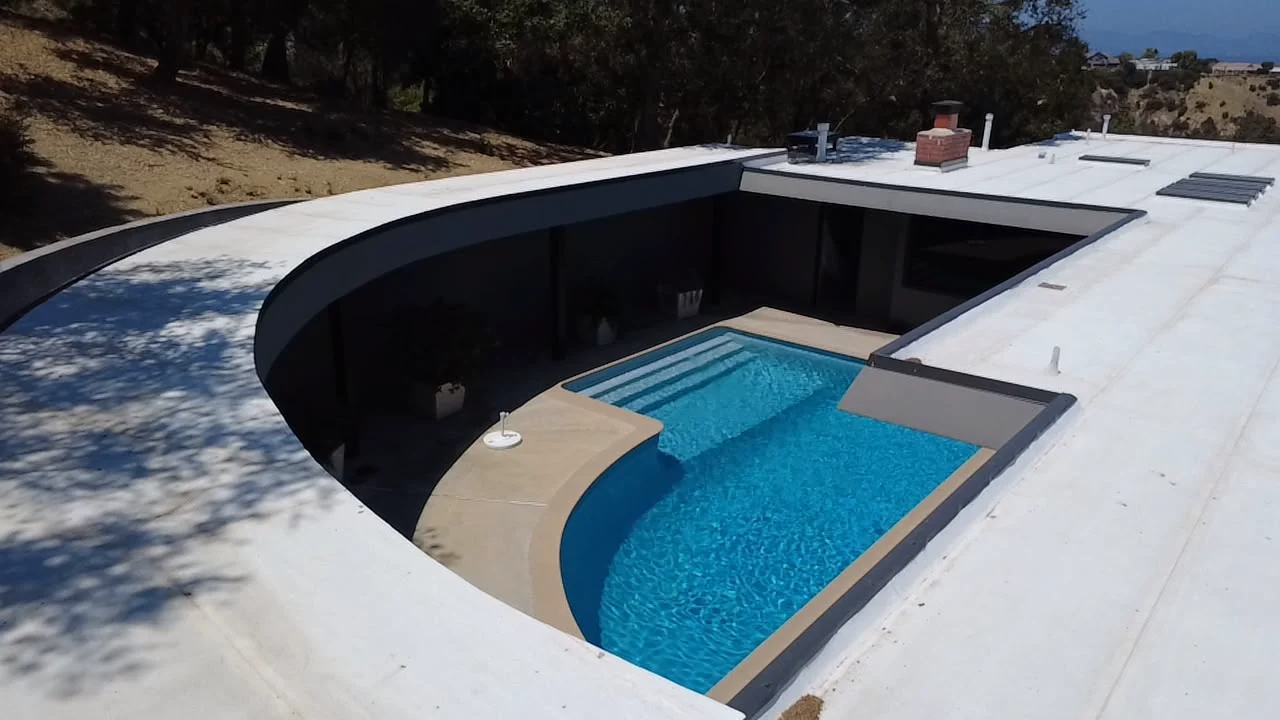
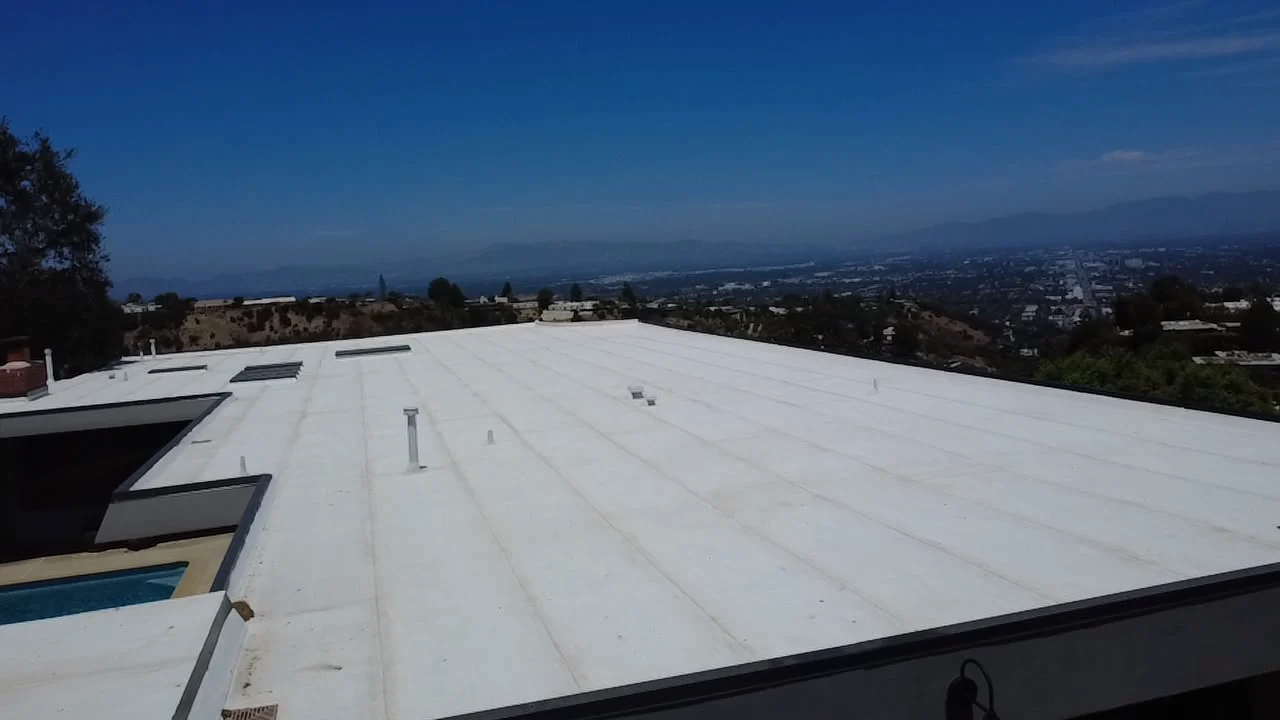
On low-slope roofs, the skylight curb and the membrane transitions around it need a system-specific review. Open seams, damaged corners, deteriorated terminations, and water that collects nearby can all matter. A repair material must be compatible with the existing roofing and the skylight manufacturer's details.
Choose a repair scope, not just a tube of sealant
Ask the roofer to distinguish between a skylight-unit problem and a roofing problem. A sound unit may only need correctly integrated flashing or adjacent membrane repairs. Deteriorated glazing, frame damage, or unavailable parts may make replacing the unit more practical, but that decision should follow an assessment.
The written scope should identify what will be removed, which concealed components can be checked, how the new detail connects to the existing roof, and what limitations remain. If the roof itself is nearing replacement, coordinate the skylight work so a temporary repair does not become unnecessary duplicate work.
Prepare safely before and after fall rain
Los Angeles homeowners can use the dry-weather window to organize prior repair records, check visible interior stains, and arrange safe debris removal. The City's wet-weather guidance also emphasizes clearing gutters and addressing overhanging trees before rain. This is seasonal preparation, not a forecast for a particular storm.
If water enters, move belongings and keep people away from wet electrical fixtures or sagging ceilings. Do not climb onto a wet roof or cover the skylight with an improvised repair. Ask a qualified professional about safe temporary protection and the permanent work needed once conditions allow it.
Frequently asked questions
Does a leaking skylight always need to be replaced?
No. Flashing, surrounding roofing, or drainage may be the source while the skylight unit remains serviceable. Replacement is appropriate when the unit itself is damaged or when its condition and the planned roof work justify it.
Can condensation look like a skylight leak?
Yes. Indoor moisture can collect on cool glazing or nearby surfaces. Timing, humidity, interior observations, and a professional assessment help distinguish condensation from exterior water entry.
Can I seal around my skylight before it rains?
Do not climb onto the roof or apply an unfamiliar product. Surface sealant can obscure the entry path, block intended drainage, or be incompatible with the roof. Have the flashing and skylight details evaluated first.
Need a local opinion?
Get a documented roof assessment
Smart Roofing, Inc. serves Los Angeles, the San Fernando Valley, Orange County, and Ventura County. We explain what we find before recommending the next step.
Related local service areas