Chimney Roof Leaks in Los Angeles: What to Check Before Rain
A ceiling stain beside a chimney can involve the roof, the brickwork, or both. Here is how to approach the diagnosis before Los Angeles rain.
By Smart Roofing, Inc. · Updated
Quick answer
What Los Angeles homeowners should know
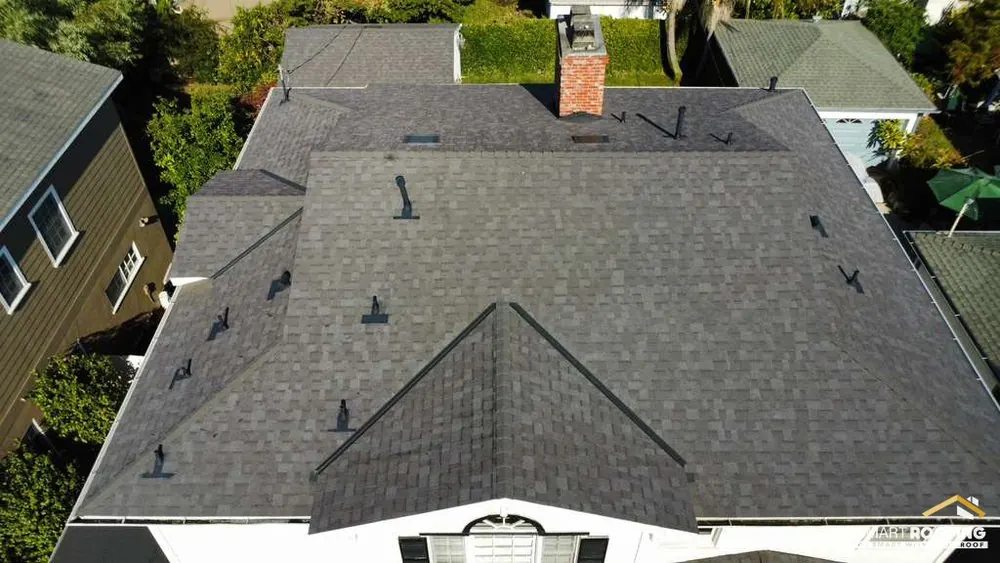
A chimney-area leak can start at the roof flashing, deteriorated masonry, the chimney crown or cap, or roofing farther uphill. Before approving a repair in Los Angeles, have the water path investigated and ask for photos that distinguish roof-system defects from chimney defects. Surface caulking alone does not establish the cause or restore incorrectly layered flashing.
Key takeaways
- A stain near a chimney does not prove the flashing is the only problem.
- Roofing, flashing, and masonry must be assessed as connected but distinct components.
- A written repair scope should explain access, hidden conditions, and responsibility for each trade.
Record when the leak appears without climbing onto the roof
Note whether moisture appears during steady rain, only with wind from a particular direction, or after the storm has ended. Photograph the ceiling stain from a safe position and keep earlier repair invoices. Water can follow framing before reaching the room, so the visible stain may not sit directly below the entry point.
On Los Angeles homes with brick chimneys, summer weather can leave a problem unnoticed until wet weather returns. Look from the ground for displaced roofing, debris behind the chimney, or visibly deteriorated masonry. Do not climb onto a steep roof, lean a ladder against the chimney, or enter an attic with unsafe access.
Understand what chimney flashing is supposed to do
The roof-to-chimney connection needs to direct runoff back onto the roof covering. On a shingle roof, this commonly involves side step flashing, an apron at the downhill side, an uphill flashing detail, and counterflashing that protects the upper edge. Tile and low-slope assemblies require details suited to their own materials.
A roofer should check whether the metal is damaged, whether the roofing and underlayment overlap it correctly, and whether previous repairs have hidden open joints. A thick coating over the surface may conceal a defect without correcting the water path. Ask to see the condition before and after the proposed work.
Separate a roof defect from a chimney defect
Water can also enter through deteriorated mortar joints, cracks in the chimney crown, or defects at the cap and upper chimney. Replacing roof flashing will not necessarily solve those issues. Conversely, treating the brick surface will not repair a poorly integrated roof connection.
Have the roofer explain which observations support the diagnosis and whether a qualified chimney or masonry specialist is needed. If there is concern about loose masonry or the safe use of the fireplace, stop using it until the appropriate professional has assessed it. A roofing inspection is not a fireplace-safety certification.
Check runoff and debris on the uphill side
The uphill side of a chimney can collect leaves and concentrate runoff. Nearby valleys, upper roof planes, and overhanging trees can change how much water reaches that location. On some roof layouts, a cricket or saddle diverts water around the chimney; whether one is appropriate depends on the roof geometry and applicable requirements.
Ask the inspector to document the uphill area rather than reviewing only the side visible from the street. Properties in Encino and Sherman Oaks with mature trees may also need a safe debris-removal plan. Maintenance should protect the roof covering and flashing, not involve pressure washing or improvised holes in metal details.
Request a repair scope that identifies the limits
A useful proposal explains which shingles or tiles will be lifted, whether underlayment and damaged decking are included, which flashing components will be replaced, and how the metal connects to the chimney. It should also address material compatibility, concealed-damage allowances, and coordination with any masonry work.
Ask what remains outside the repair and how the result will be documented. One localized chimney leak does not automatically justify replacing the whole roof, but widespread surrounding wear can change the recommendation. Arrange assessment before forecast rain when possible, and record any new moisture from a safe location afterward.
Frequently asked questions
Can a chimney leak even if the shingles look good?
Yes. Flashing, counterflashing, masonry, the crown, and the cap can admit water independently of the visible shingle field. The surrounding roof and the chimney should both be assessed.
Will adding caulk around the chimney stop a roof leak?
Sealant may be part of a specified detail, but it is not a substitute for correctly layered flashing or sound masonry. The repair should address the diagnosed entry path and use compatible materials.
Should I call a roofer or a chimney specialist first?
For moisture at the roof-to-chimney junction, a roofer can assess the roofing and flashing. Suspected crown, cap, masonry, or fireplace-safety issues may also require a qualified chimney specialist. Ask each professional to identify the limits of their assessment.
Need a local opinion?
Get a documented roof assessment
Smart Roofing, Inc. serves Los Angeles, the San Fernando Valley, Orange County, and Ventura County. We explain what we find before recommending the next step.
Related local service areas