What to Expect During a Los Angeles Roof Replacement
A clear replacement plan covers more than new shingles or tile. Here is what homeowners can expect before, during, and after the roofing crew arrives.
By Smart Roofing, Inc. · Updated
Quick answer
What Los Angeles homeowners should know
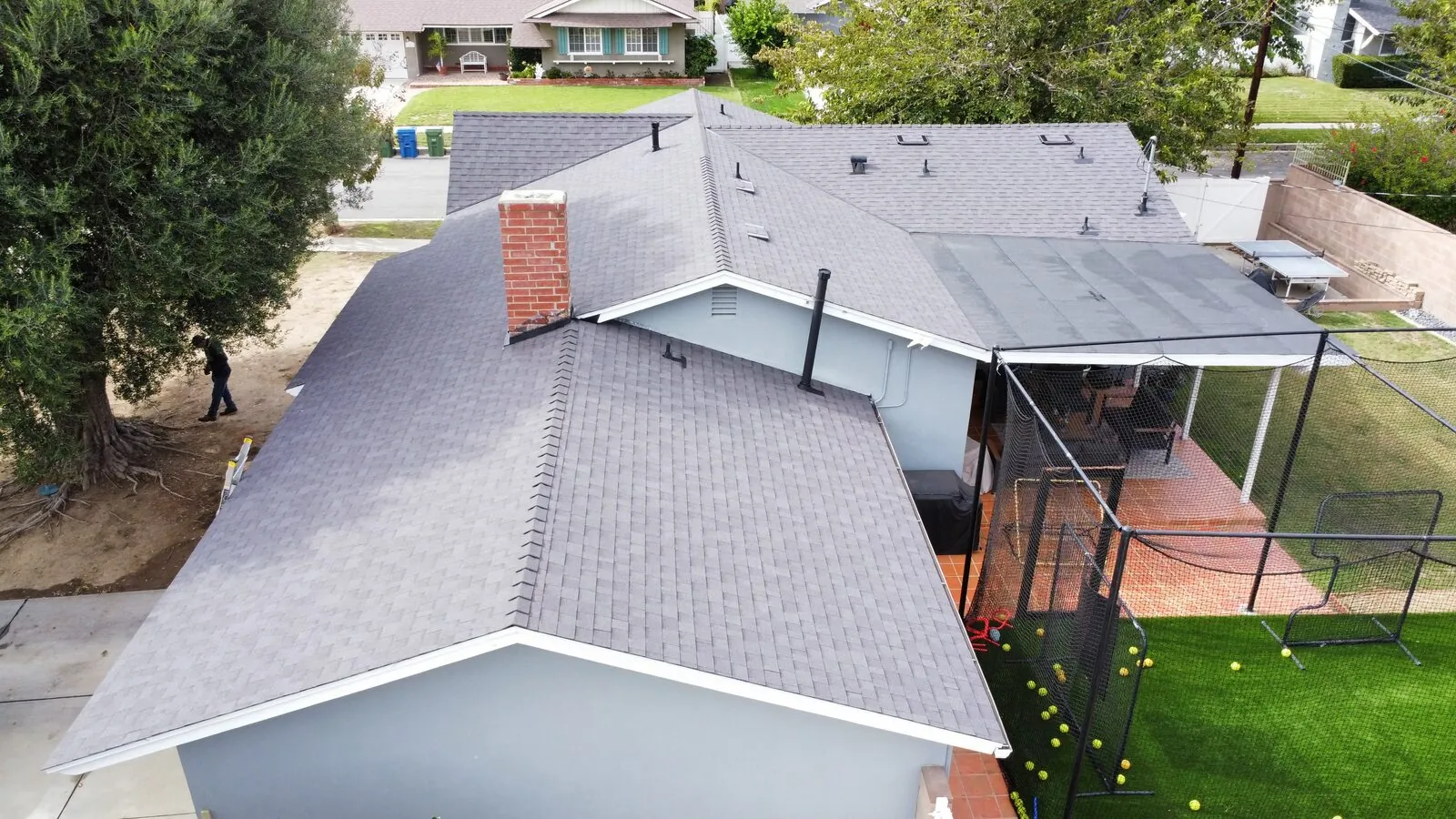
A roof replacement typically includes site preparation, removal of the agreed roof layers, inspection of the exposed deck, installation of the specified roofing system, and cleanup. The exact steps and schedule depend on the roof design, materials, concealed conditions, weather, and any required approvals, so use the written scope and contractor updates as your guide.
Key takeaways
- Confirm the work area, materials, cleanup, and communication plan before the start date.
- Ask for an explanation and written approval before concealed-condition work changes the price or scope.
- Keep product, warranty, permit, inspection, and change-order records with the final invoice.
Before installation, confirm the plan
Review the proposal before the crew arrives. It should make clear which roof areas are included, what existing layers will be removed, the proposed roofing materials, and how the estimate handles decking repairs, flashing, ventilation, disposal, and cleanup. Ask about anything that is not clear rather than assuming it is included.
Confirm how the crew will access the property and where materials or debris containers may be staged. Move vehicles or outdoor items if requested, keep children and pets away from the work zone, and ask whether anything stored in the attic should be protected from dust. The contractor should explain who will provide updates and how to reach them during the job.
If you are still comparing proposals, use our questions to ask before a Los Angeles roof estimate to check that the scope is specific enough to compare.
Tear-off can reveal conditions the estimate could not see
When removal is part of the agreed scope, the crew takes off the existing roof layers and inspects the exposed deck. Some sheathing or flashing problems remain hidden until then. A pre-job inspection can identify visible concerns, but it cannot always show the full condition beneath the roof covering.
If additional work is proposed, ask the contractor to show the affected area, explain why the repair is needed, and describe how the added price is calculated before the area is covered. Keep any change to the original scope in writing. Our guide to
roof decking damage during a Los Angeles reroof explains what to ask when concealed damage is found.
Installation details depend on the roof system
After the deck is ready, the crew installs the specified underlayment and integrates flashing at vulnerable transitions such as valleys, walls, chimneys, skylights, and roof penetrations. The details and order vary by roof slope and material, so a tile, shingle, and low-slope membrane project will not follow an identical sequence.
Check that the installed products match the proposal and ask how the crew will handle the details unique to your home. For example, a tile project may involve resetting reusable tile over new components, while a low-slope roof needs careful membrane and drainage work. Do not climb onto the roof to inspect it; ask the contractor for progress photos and explanations from a safe location.
Permit and inspection requirements depend on the work and property jurisdiction. Read our guide to Los Angeles roofing permits and inspections and confirm project-specific requirements with the contractor or local building department.
Closeout includes cleanup and project records
Ask what the cleanup plan includes and how the crew will check the yard, driveway, and other areas near the work zone. Before signing off, request a walkthrough or clear photos of the completed work and any remaining items. A ground-level review is safer than walking on new or fragile roofing.
Keep the signed proposal, change orders, final invoice, product details, warranty information, and any permit or inspection records together. These documents help with future maintenance and make it easier to identify the roof system if a repair is needed later.
The schedule can change for practical reasons
A contractor can give an expected schedule, but it is not a guarantee. Weather, the roof's size and complexity, material delivery, inspection timing, and concealed repairs can affect the sequence or completion date. Ask how updates will be shared and what needs to happen before the roof is considered complete.
If a delay or scope change comes up, get the reason, revised plan, and any cost or timing impact in writing. Clear communication helps you make informed decisions without relying on assumptions about what the original estimate covered.
Frequently asked questions
How long does a Los Angeles roof replacement take?
There is no single schedule for every home. Roof size, design, material, weather, delivery, concealed repairs, and required inspections all affect timing. Ask the contractor for an expected schedule and how changes will be communicated.
Will my whole roof always be torn off?
Not necessarily. Removal depends on the existing roof, proposed system, project scope, and applicable requirements. Confirm in writing which layers will be removed and what preparation is included.
Should I stay home while the roof is being replaced?
Ask the contractor what access or decisions may be needed. Roofing work can be noisy, and some homeowners prefer to be away, but the important part is having a reliable way to receive updates and respond to questions.
What should I keep after the project?
Save the signed proposal, change orders, final invoice, product and warranty documents, progress or completion photos, and permit or inspection records when applicable.
Need a local opinion?
Get a documented roof assessment
Smart Roofing, Inc. serves Los Angeles, the San Fernando Valley, Orange County, and Ventura County. We explain what we find before recommending the next step.
Related local service areas